
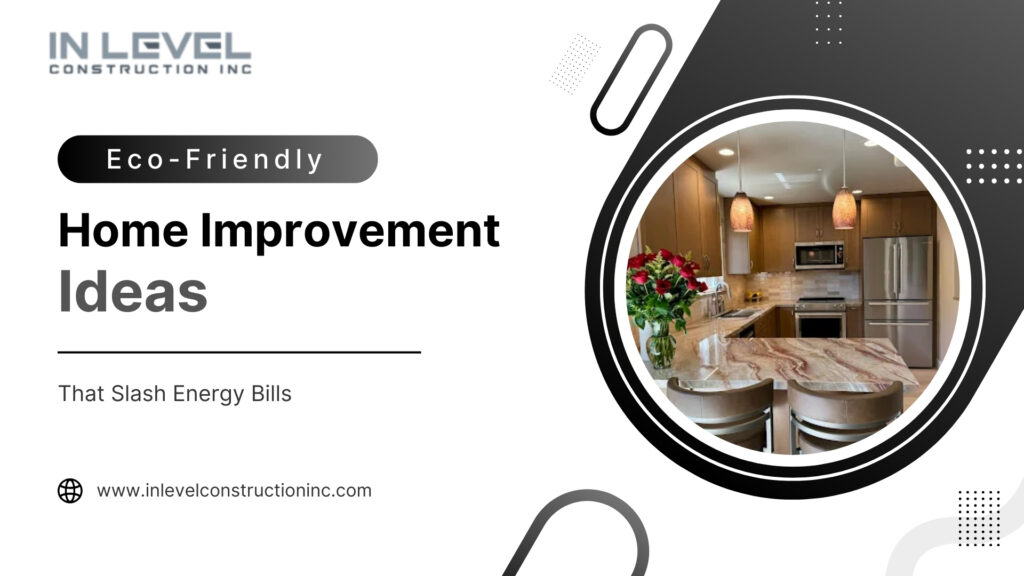
Rising utility costs and growing environmental awareness are reshaping how homeowners approach renovations in 2026. In San Jose, energy efficiency is no longer a niche upgrade—it’s a practical investment that lowers monthly bills while improving long-term home value.
Today’s eco-friendly home improvements focus on reducing energy use without compromising comfort or design. From insulation upgrades to smart technology, the ideas below help homeowners create efficient, future-ready homes while keeping operating costs under control.
Upgrade Insulation for Immediate Energy Savings
One of the most effective eco-friendly upgrades starts behind the walls. Many older homes in San Jose lack proper insulation, allowing heat to escape during winter and enter during warmer months.
Upgrading attic, wall, and crawl-space insulation helps regulate indoor temperatures and reduces the workload on heating and cooling systems. This improvement often delivers noticeable energy savings almost immediately.
Install Energy-Efficient Windows and Doors
Outdated or drafty windows are a major source of energy loss. Replacing them with modern, energy-efficient windows and doors is a proven way to improve comfort and reduce utility bills.
High-performance glass, insulated frames, and improved sealing help maintain consistent indoor temperatures and reduce strain on HVAC systems throughout the year.
Upgrade Heating and Cooling Systems
Older HVAC systems consume significantly more energy than modern alternatives. Upgrading to high-efficiency heating and cooling equipment is one of the most impactful ways to lower long-term energy costs.
Heat pumps, smart thermostats, and zoning systems adjust output based on real usage, supporting greener living while improving indoor comfort across seasons.
Choose Sustainable Materials for Renovation Projects
Material selection plays a key role in both sustainability and indoor health. Many homeowners now opt for recycled or responsibly sourced materials, low-VOC paints, and durable flooring options that last longer and require less replacement.
Using sustainable materials reduces environmental impact while also improving air quality and overall home durability.
Switch to Energy-Saving Lighting Solutions
Lighting accounts for a meaningful portion of household electricity use. Transitioning to LED lighting is one of the simplest ways to cut energy consumption without major renovation work.
Modern lighting systems often include dimmers, motion sensors, and daylight controls—features that reduce unnecessary energy use while enhancing convenience.
Prepare Your Home for Solar Integration
Even if solar panels aren’t part of the immediate plan, preparing a home for future installation is a smart long-term strategy. Solar-ready electrical infrastructure allows homeowners to adopt renewable energy more easily down the line.
Homes prepared for solar tend to appeal to energy-conscious buyers and support future sustainability goals without requiring immediate installation.
Improve Water Efficiency to Reduce Energy Use
Water heating is often an overlooked energy expense. Low-flow fixtures, efficient water heaters, and water-saving systems reduce consumption while lowering both water and energy bills.
These upgrades are especially effective because they deliver savings without disrupting daily routines.
Design for Passive Energy Efficiency
Passive design strategies reduce reliance on mechanical systems by using layout, airflow, and natural light more effectively.
Thoughtful window placement, shading, and ventilation help maintain comfort naturally and are increasingly incorporated into modern sustainable home designs.
Use Smart Technology to Manage Energy Use
Smart home systems allow homeowners to track and control energy usage in real time. Thermostats, energy monitors, and automated lighting systems make it easier to identify waste and adjust habits.
These tools empower homeowners to make data-driven decisions that translate directly into lower utility bills.
Plan Renovations With Long-Term Efficiency in Mind
True sustainability comes from coordinated planning, not isolated upgrades. Combining insulation, efficient systems, sustainable materials, and smart technology creates a cohesive strategy that delivers consistent results over time.
Whole-home planning ensures that each improvement supports the others rather than working in isolation.
Why Eco-Friendly Renovations Make Sense in San Jose
With rising energy costs and increasing environmental priorities, sustainable upgrades are both practical and forward-thinking. Well-planned eco-friendly renovations reduce operating expenses while appealing to modern buyers who value efficiency.
Homeowners who work with experienced builders such as In Level Construction Inc can align sustainability goals with proper planning, permitting, and execution.
Building an Eco-Friendly Home Without Compromise
Sustainability no longer means sacrificing comfort or style. Today’s eco-friendly home improvements balance modern design with high performance.
By prioritizing efficiency-focused upgrades, homeowners can create living spaces that are comfortable, cost-effective, and better prepared for the future.
FAQ's
Insulation, efficient HVAC systems, and upgraded windows deliver the largest energy savings.
Costs vary, but many eco-friendly improvements pay for themselves through long-term utility savings.
Yes, homes with proven efficiency upgrades are often more attractive to buyers.
Lighting upgrades, smart controls, and water-efficient fixtures are simple starting points.
Yes, coordinated planning produces better results than making changes one at a time.

 ICONIER Digital Agency